



Addition of Trastuzumab Deruxtecan to Selpercatinib in a Patient With RET Fusion-Driven NSCLC and an Acquired HER2 Amplification: Case Report
Source : https://www.ncbi.nlm.nih.gov/pmc/articles/PMC10746506/
Despite the high activity of selective RET inhibitors in RET-driven NSCLC, resistance eventually develops and there is unmet need to better define therapeutic options for patients. This is a case...
This patient's case highlights the need for comprehensive molecular testing because unexpected resistance mechanisms may be identified in patients with uncommon driver mutations.
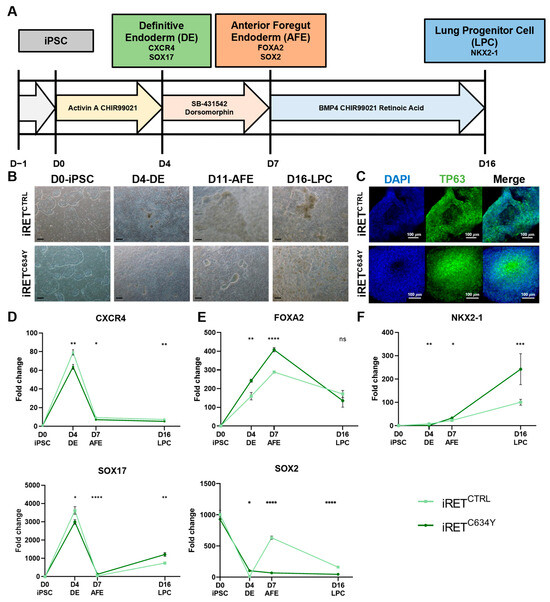
Modeling RET-Rearranged Non-Small Cell Lung Cancer (NSCLC): Generation of Lung Progenitor Cells (LPCs) From Patient-Derived Induced Pluripotent Stem Cells (iPSCs)
Source : https://www.mdpi.com/2073-4409/12/24/2847
REarranged during Transfection (RET) oncogenic rearrangements can occur in 1-2% of lung adenocarcinomas. While RET-driven NSCLC models have been developed using various approaches, no model based on patient-derived induced pluripotent...
This study demonstrates the potential of using iPSCs derived from patients carrying inherited mutations to model diseases in cases where patient iPSCs are not readily available or difficult to generate.

Strategies for Mitigating Adverse Events Related to Selective RET Inhibitors in Patients With RET-Altered Cancers
Source : https://pubmed.ncbi.nlm.nih.gov/38118420/
The US Food and Drug Administration (FDA) approval of the selective RET inhibitors selpercatinib and pralsetinib has led to a paradigm change in the treatment of RET-altered lung and thyroid...
Select RET inhibitors have led to a paradigm change in treatment of RET-altered cancers, and their toxicity and safety profiles are quite tolerable.
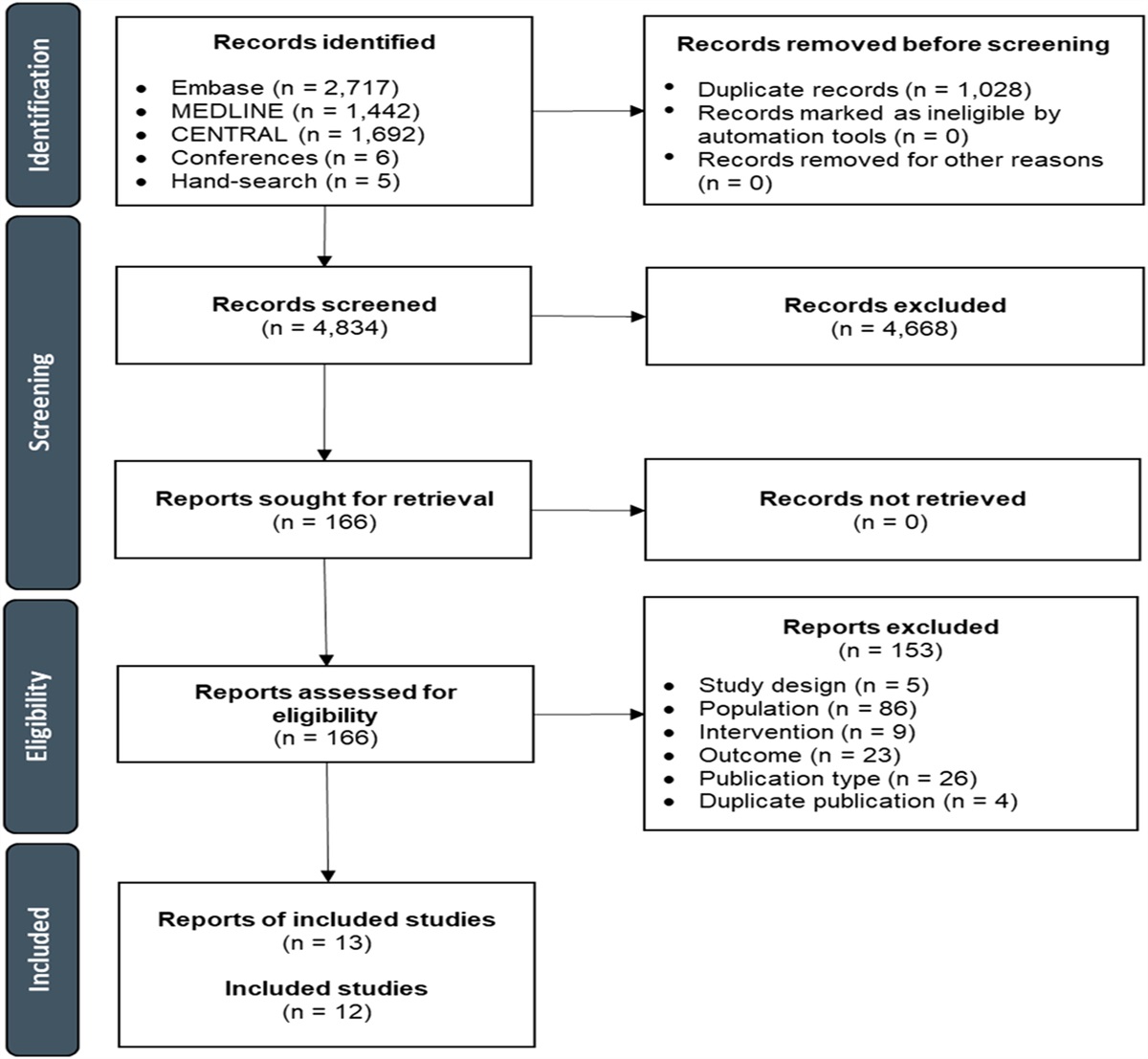
Clinical Outcomes of PD-1/PD-L1 Inhibitors Among Patients With Advanced or Metastatic Non-Small Cell Lung Cancer With BRAF, ERBB2/HER2, MET, or RET Alterations: a Systematic Literature Review
PD-L1 inhibitors in advanced or metastatic patients with NSCLC whose tumors harbor BRAF V600E mutation, HER2/ERBB2 alteration, MET exon 14 skipping mutation, or RET rearrangement is not completely understood. A...
There was substantial heterogeneity in whether the PD-1/PD-L1 inhibitors were delivered as monotherapy or in combination with other immunotherapy or chemotherapy agents.

The Frequency of Mutations in Advanced Thyroid Cancer in Japan: a Single-Center Study
Source : https://www.jstage.jst.go.jp/article/endocrj/advpub/0/advpub_EJ23-0342/_article
We analyzed the outcomes of genetic testing to study the frequency of mutations in advanced thyroid cancer in Japan.
Of 17 Japanese patients with anaplastic thyroid carcinoma, 52.9% had BRAF mutations, and 5.9% had RET fusion. Of 68 patients who had papillary thyroid carcinoma, 83.1% had BRAF mutations, 9.2% had RET fusion, and 1.5% had NTRK fusion.