

micro-community-banner
 
  • Saved
Potentiation of Apoptosis in Drug-Resistant Mantle Cell Lymphoma Cells by MCL-1 Inhibitor Involves Downregulation of Inhibitor of Apoptosis Proteins

Potentiation of Apoptosis in Drug-Resistant Mantle Cell Lymphoma Cells by MCL-1 Inhibitor Involves Downregulation of Inhibitor of Apoptosis Proteins

Source : https://www.nature.com/articles/s41419-023-06233-w

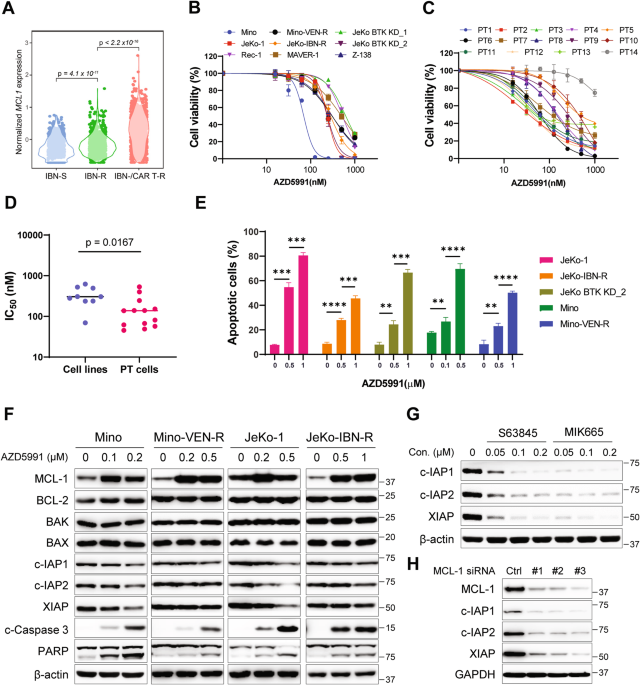
Bruton's tyrosine kinase inhibitors (BTKi) and CAR T-cell therapy have demonstrated tremendous clinical benefits in mantle cell lymphoma (MCL) patients, but intrinsic or acquired resistance inevitably develops. In this study,...

Supporting this notion, the IAP antagonist BV6 induced dramatic apoptosis in resistant MCL cells and sensitized the resistant MCL cells to venetoclax. Our study uncovered another unique route for MCL-1 inhibitor to trigger apoptosis, implying that the pro-apoptotic combination of IAP antagonists and apoptosis inducers could be further...

  • Saved
SET-CAN/NUP214 Fusion Gene in Leukemia: General Features and Clinical Advances

SET-CAN/NUP214 Fusion Gene in Leukemia: General Features and Clinical Advances

Source : https://www.frontiersin.org/journals/oncology/articles/10.3389/fonc.2023.1269531/full

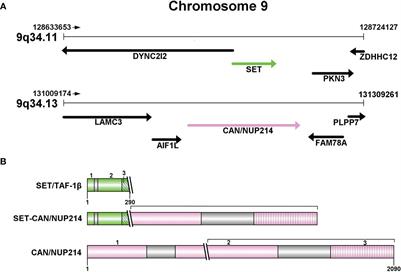
SET-CAN/NUP214 fusion is a recurrent event commonly observed in adult male patients diagnosed with T-cell acute lymphoblastic leukemia (T-ALL) and has occasionally been reported in other diseases.

Prognosis prediction and recurrence intervention based on the expression level of SET-CAN/NUP214 fusion gene can improve the treatment effect of HSCT and CAR T-cell therapy.

  • Saved
Patient-Level Meta-Analysis of Clofarabine in Acute Lymphoblastic Leukemia

Patient-Level Meta-Analysis of Clofarabine in Acute Lymphoblastic Leukemia

Source : https://www.ncbi.nlm.nih.gov/pmc/articles/PMC10611855/

Clofarabine monotherapy at a dose of 52 mg/m2/day was approved in the USA in 2004 for the treatment of relapsed or refractory acute lymphoblastic leukemia (R/R ALL) in patients aged...

CR duration and median OS in pediatric patients with R/R ALL appeared to be slightly longer than in the phase II study. These results support the use of clofarabine monotherapy in its approved indication.

  • Saved
Potential for continued use of BTK inhibitors in MCL and CLL

Despite having revolutionized the management of R/R MCL and CLL, covalent inhibitors of BTK demonstrate increased protein binding, have short half-lives, and exhibit decreased oral bioavailability, with only brief exposure to inactivate BTK. One-third of patients will develop primary BTK inhibitor resistance, and nearly all develop secondary resistance—despite response rates of single-agent BTK inhibitors being relatively high. Mechanisms of resistance to covalent BTK inhibitors are not fully elucidated and differ by malignancy type. Resistance, intolerance, toxicity, and disease progression are all factors that contribute to treatment discontinuation in patients taking covalent BTK inhibitors.

When covalent BTK inhibitors are no longer an option, noncovalent BTK inhibitors that are highly selective for BTK can reestablish response and propel the care of patients with R/R MCL and CLL forward. Efficacy of BTK inhibition delivered via noncovalent BTK inhibition could permit patients with B-cell malignancies to further extend the clinical benefit delivered via BTK inhibition by permitting the sequential use of inhibitors that bind by means of both covalent and noncovalent mechanisms.

Which of your patients are best suited for treatment with noncovalent BTK inhibitors?

Show More Comments

  • Saved
Location, Location, Location: Mapping the Lymphoma Tumor Microenvironment Using Spatial Transcriptomics

Location, Location, Location: Mapping the Lymphoma Tumor Microenvironment Using Spatial Transcriptomics

Source : https://www.frontiersin.org/journals/oncology/articles/10.3389/fonc.2023.1258245/full

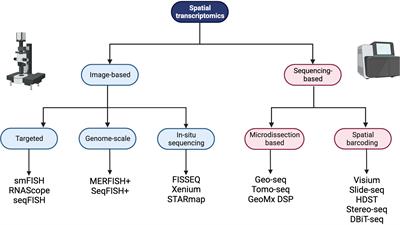
Lymphomas are a heterogenous group of lymphoid neoplasms with a wide variety of clinical presentations. Response to treatment and prognosis differs both between and within lymphoma subtypes. Improved molecular and...

This article summarizes current spatial transcriptomic technologies and their use in lymphoma research to date. The resulting data has already enriched our knowledge of the mechanisms and clinical impact of an immunosuppressive TME in lymphoma.