


Mechanism and therapeutic implications of pomalidomide-induced immune surface marker upregulation in EBV-positive lymphomas - Scientific Reports
Source : https://www.nature.com/articles/s41598-023-38156-z
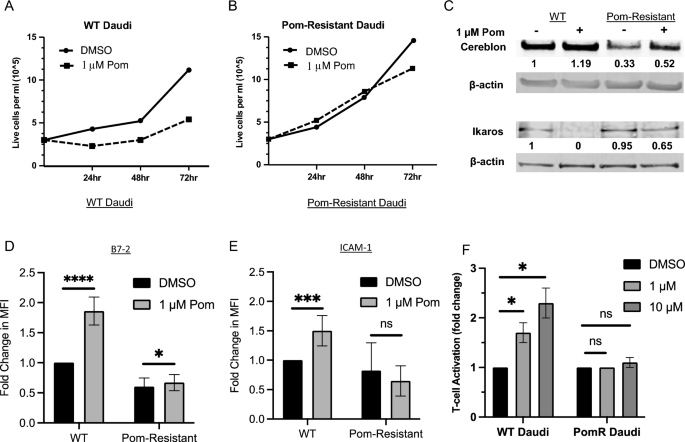
Epstein-Barr virus (EBV) downregulates immune surface markers to avoid immune recognition. Pomalidomide (Pom) was previously shown to increase immune surface marker expression in EBV-infected tumor cells. We explored the mechanism...
Conclusion: Together these findings suggest that Pom may be useful in the treatment of EBV-infected lymphomas by two mechanisms. One, by enhancing immune recognition and the other by eliciting antitumor effects through the production of proinflammatory chemokines.
Multiple myeloma identified within the same site of the mandible with medication-related osteonecrosis of jaw: An unusual case report
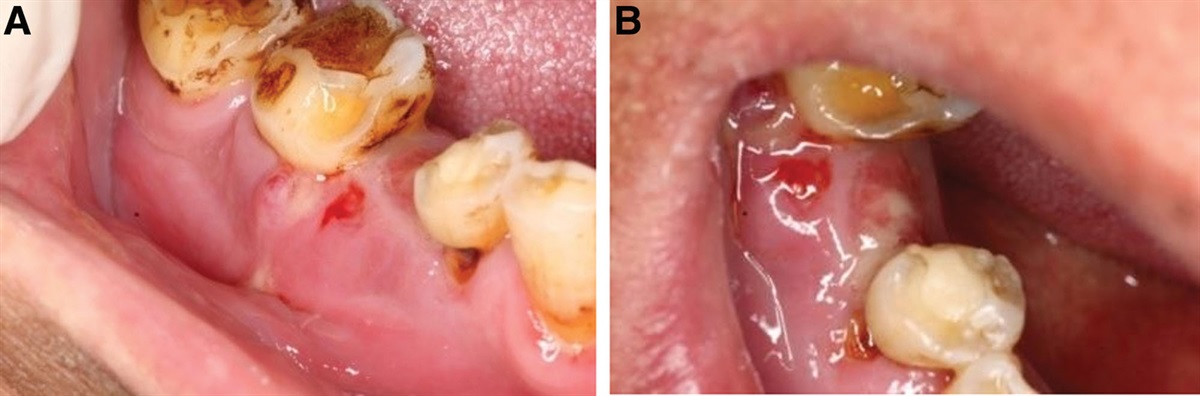
related osteonecrosis of the jaw (MRONJ). MRONJ occurs in jaw exclusively, and Multiple myeloma can also invade the jaw. The 2 diseases have similar clinical manifestations and imaging findings. This...
Lessons: These findings suggested MRONJ and MM could occur simultaneously at same site, so patients with MM presenting with symptoms of MRONJ should be screened for concurrent or disease relapse of multiple myeloma to prevent misdiagnosis or inadequate management. Meanwhile, this also suggests long-term inflammatory may lead to invasion of...

Multiomic mapping of acquired chromosome 1 copy number and structural variants to identify therapeutic vulnerabilities in multiple myeloma - PubMed
Source : https://pubmed.ncbi.nlm.nih.gov/37449980/
Multiple layers of genetic complexity impact the phenotype associated with CNAs on chr1 to generate its associated clinical phenotype. Whole-arm gains of 1q are the critically important prognostic group that...
Conclusions: Multiple layers of genetic complexity impact the phenotype associated with CNAs on chr1 to generate its associated clinical phenotype. Whole-arm gains of 1q are the critically important prognostic group that deregulate multiple pathways, which may offer therapeutic vulnerabilities.
Macrophages and Urokinase Plasminogen Activator Receptor System in Multiple Myeloma: Case Series and Literature Review
Source : https://www.mdpi.com/1422-0067/24/13/10519
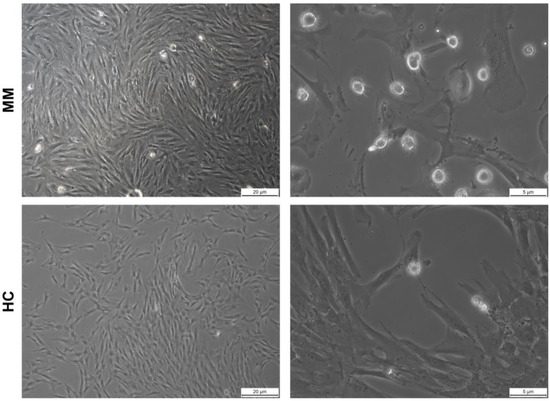
The microenvironment plays an essential role in multiple myeloma (MM) development, progression, cell proliferation, survival, immunological escape, and drug resistance. Mesenchymal stromal cells and macrophages release tolerogenic cytokines and favor...
Conclusions/Relevance: Our preliminary results showed that after uPAR inhibitor treatments, interleukein-6 (mean ± SD, 8734.95 ± 4169.2 pg/mL vs. 359.26 ± 393.8 pg/mL, pre- vs. post-treatment; p = 0.0012) and DKK-1 levels (mean ± SD, 7005.41 ± 6393.4 pg/mL vs. 61.74 ± 55.2 pg/mL, pre- vs. post-treatment; p = 0.0043) in culture medium...

Benefit Versus Risk Assessment of Melflufen and Dexamethasone in Relapsed/Refractory Multiple Myeloma: Analyses From Longer Follow-up of the OCEAN and HORIZON Studies - PubMed
Source : https://pubmed.ncbi.nlm.nih.gov/37355418/
These analyses demonstrate a consistent benefit for melflufen and dexamethasone in patients with relapsed/refractory multiple myeloma who have not received an ASCT or progressed >36 months after receiving an ASCT...
Conclusion: These analyses demonstrate a consistent benefit for melflufen and dexamethasone in patients with relapsed/refractory multiple myeloma who have not received an ASCT or progressed >36 months after receiving an ASCT.