


micro-community-banner
 
  • Saved
Ambulatory Management of Low-Risk Febrile Neutropenia in Adult Oncological Patients: Systematic Review

Ambulatory Management of Low-Risk Febrile Neutropenia in Adult Oncological Patients: Systematic Review

Source : https://link.springer.com/article/10.1007/s00520-023-08065-y

Recent clinical practice guidelines have recommended ambulatory management of febrile neutropenia in patients with low risk of complications. Although some centers have begun developing management protocols for these patients, there...

Ambulatory management of febrile neutropenia is safe, more cost effective than inpatient care, and capable of improving quality of life in patients with cancer and this complication. Ambulatory care seems to be an effective alternative to hospitalization in these patients.

  • Saved
Outsmarting Trogocytosis to Boost CAR NK/T Cell Therapy

Outsmarting Trogocytosis to Boost CAR NK/T Cell Therapy

Source : https://molecular-cancer.biomedcentral.com/articles/10.1186/s12943-023-01894-9

Chimeric antigen receptor (CAR) NK and T cell therapy are promising immunotherapeutic approaches for the treatment of cancer. However, the efficacy of CAR NK/T cell therapy is often hindered by...

These strategies encompass targeting trogocytosis-related molecules, engineering CAR NK/T cells to resist trogocytosis-induced exhaustion and leveraging trogocytosis to enhance the function of CAR-expressing cells.

  • Saved
DLBCL: Who Is High Risk and How Should Treatment be Optimized?

DLBCL: Who Is High Risk and How Should Treatment be Optimized?

Source : https://ashpublications.org/blood/article-abstract/doi/10.1182/blood.2023020779/498617/DLBCL-Who-is-high-risk-and-how-should-treatment-be?redirectedFrom=fulltext

Diffuse large B-cell lymphoma (DLBCL) not otherwise specified is the most common subtype of large B-cell lymphoma group, with differences in prognosis, reflecti

This review will summarize recent progress in identifying high-risk DLBCL patients with employment of clinical and biological prognostic factors assessed at diagnosis and during treatment in the front line setting.

  • Saved

Dr. Tatyana Feldman

CAR T cell therapy for CLL

The TRANSCEND CLL004 trial, published in The Lancet in 2023, presents compelling evidence for the use of lisocabtagene maraleucel (liso-cel) in chronic lymphocytic leukemia (CLL), particularly in patients who have exhausted other treatment options. Among a heavily pretreated group of trial participants, 88% were refractory to BTK inhibitors and 76% to Venetoclax, with a median of 5 prior lines of therapy.

The data suggest that liso-cel is highly effective in this difficult-to-treat patient population, with a complete response rate (CRR) of 18% and an overall response rate (ORR) of 43%. Notably, high-risk patients (i.e., those with TP53 deletion/mutation or unmutated IGHV)—who generally have poorer outcomes—achieved a CRR of 23% and ORR of 47%.

A further testament to liso-cel's efficacy is the MRD negativity rate of 63% in peripheral blood, suggesting deep responses.

The durability of the responses is impressive, with a median duration of response (mDOR) of 35.3 months and a median progression-free survival (mPFS) of 26.2 months in MRD-negative patients. Median duration of CR was not reached.

Toxicity is manageable and predictable, and no new safety signals different from DLBCL trials were seen. Importantly, most deaths during the trial were due to disease progression, not treatment-related toxicity.

Despite the drug’s efficacy, there is a clear need to streamline the production of liso-cel. The 36-day wait from leukaphereses to infusion is particularly problematic for CLL patients at this stage of the disease. In total, the 15% drop off between leukaphereses and infusion is very telling; the company should focus on shortening this timeline to improve patient outcomes.

Based on the TRANSCEND CLL004 trial data, liso-cel offers a new treatment avenue for CLL patients who have exhausted other options. It is effective, provides durable responses, and has manageable toxicity, thus justifying its use in this difficult-to-treat population.

What are the benefits and challenges of using liso-cel in your practice? How does liso-cel compare with other newer treatments?

  • 2yr
    Biggest challenges are insurance issues, performance status, distance issues, social support, and most importantly, the lack of patients who are candidates for CAR-T
  • 2yr
    In CLL there are limited options, CD20, BTK and BCL2, and then nothing really, so the addition of CAR-T as effective therapy is meeting a huge gap in necessary options. Show More
Show More Comments

  • Saved

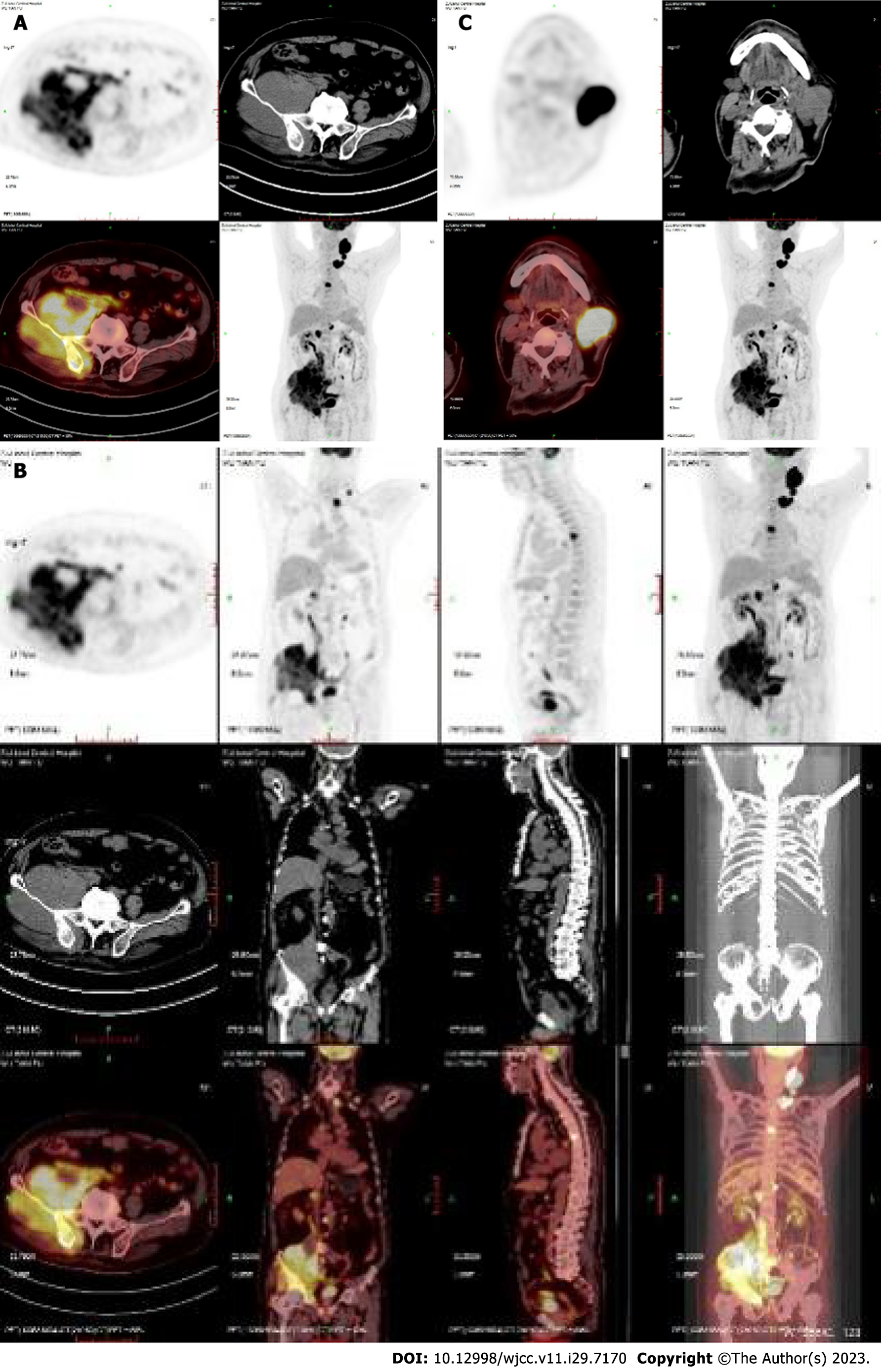
The treatment experience in these cases demonstrates the potential efficacy of rituximab combined with BTKi to treat elderly DLBCL patients, thus providing a new treatment strategy.

Rituximab Combined With Bruton Tyrosine Kinase Inhibitor to Treat Elderly Diffuse Large B-Cell Lymphoma Patients: Two Case Reports

Rituximab Combined With Bruton Tyrosine Kinase Inhibitor to Treat Elderly Diffuse Large B-Cell Lymphoma Patients: Two Case Reports

Source : https://www.wjgnet.com/2307-8960/full/v11/i29/7170.htm

Rituximab combined with Bruton tyrosine kinase inhibitor to treat elderly diffuse large B-cell lymphoma patients: Two case reports