


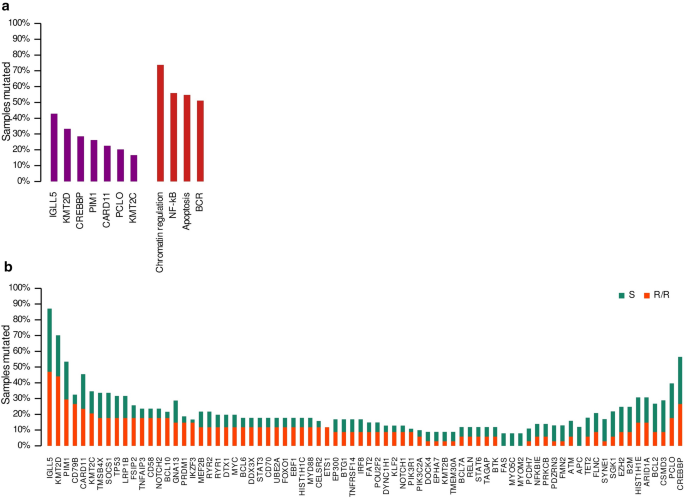
Proposal and validation of a method to classify genetic subtypes of diffuse large B cell lymphoma
Source : https://www.nature.com/articles/s41598-020-80376-0
Diffuse large B-cell lymphoma (DLBCL) is a heterogeneous disease whose prognosis is associated with clinical features, cell-of-origin and genetic aberrations. Recent integrative, multi-omic analyses had led to identifying overlapping genetic...
-
Mark Fesler5yrCurrently, there are no readily available platforms of molecular testing that inform the clinical care of DLBCL. I hope that this article inches the field a step closer to Show More
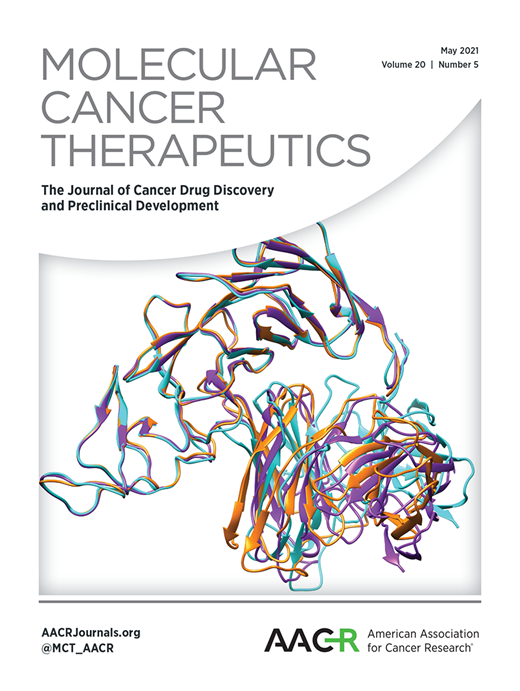
Robust anti-tumor activity and low cytokine production by novel humanized anti-CD19 CAR-T cells
Source : https://mct.aacrjournals.org/content/early/2021/03/02/1535-7163.MCT-20-0476.abstract
Recent studies have described the remarkable clinical outcome of anti-CD19 chimeric antigen receptor (CAR) T cells in treating B-cell malignancies. However, over 50% of patients develop life-threatening toxicities associated with...
-
Mark Fesler5yrAlthough current CAR T treatments are often manageable for providers, patients experience frightening and sometimes life threatening toxicities, and this article describes a CAR T with a more favorable AE Show More

Distribution of chimeric antigen receptor-modified T cells against CD19 in B-cell malignancies
Source : https://link.springer.com/article/10.1186/s12885-021-07934-1
Background The unprecedented efficacy of chimeric antigen receptor T (CAR-T) cell immunotherapy of CD19+ B-cell malignancies has opened a new and useful way for the treatment of malignant tumors. Nonetheless,...
-
Mark Fesler5yrWe struggle with whether to proceed with CAR T cell therapy in lymphoma patients having achieved a CR. This is interesting data in a mouse model and suggests that the Show More
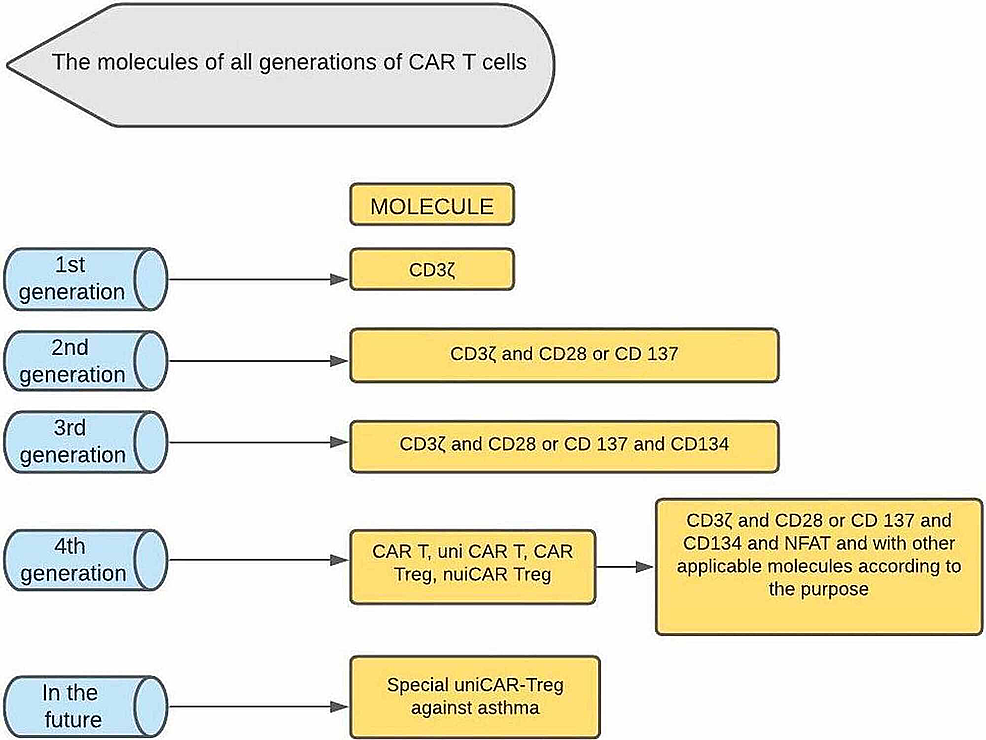
The Role of Chimeric Antigen Receptor-T Cell Therapy in the Treatment of Hematological Malignancies: Advantages, Trials, and Tribulations, and the Road Ahead
Immunotherapy is the upcoming trend in cancer treatment. Traditional cancer treatment methods include surgical resection, radiotherapy, chemotherapy, small molecule targeted drugs, monoclonal antibodies, and hematopoietic stem cell transplantation (HSCT). Surgical...
-
Mark Fesler5yrThis is a fascinating review article for all oncologists outlining the progress in improved CAR design.

Aromatase and CDK4/6 Inhibitor-Induced Musculoskeletal Symptoms: A Systematic Review - PubMed
Source : https://pubmed.ncbi.nlm.nih.gov/33530456/
AI treatment-induced musculoskeletal syndrome is an adverse event affecting over one-third (20-47%) of postmenopausal patients treated with AIs that often leads to treatment discontinuation. Data from RCTs provide evidence that...