



Diffuse Large B Cell Lymphoma Characteristics and Outcomes During the COVID-19 Pandemic in Two Tertiary Centers – an Israeli/ Italian Study
Source : https://link.springer.com/article/10.1007/s00277-023-05543-5
The COVID-19 pandemic posed a major challenge in cancer care worldwide which might have an impact on the management of diffuse large B-cell lymphoma (DLBCL). We conducted a retrospective study...
Despite the challenges caused by COVID-19 pandemic, the management of DLBCL patients remained unchanged including dose density and intensity. Nevertheless, a shorter PFS during the outbreak might be attributed to differences in patients’ characteristics.
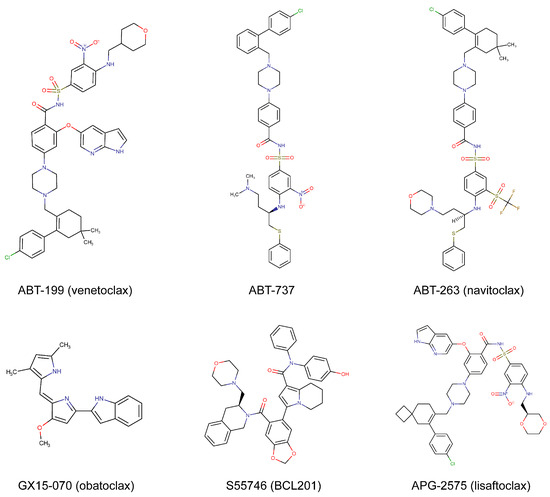
Current Advances and Future Strategies for BCL-2 Inhibitors: Potent Weapons Against Cancers
Source : https://www.mdpi.com/2072-6694/15/20/4957
Targeting the intrinsic apoptotic pathway regulated by B-cell lymphoma-2 (BCL-2) antiapoptotic proteins can overcome the evasion of apoptosis in cancer cells.
This review elucidates crucial mutations of drug resistance and sheds light on the genetic or pharmacologic factors that hold promise for enhancing drug sensitivity.

Clinicopathologic and Mutational Profiles of Primary Breast Diffuse Large B Cell Lymphoma in a Male Patient: Case Report and Literature Review
Source : https://wjso.biomedcentral.com/articles/10.1186/s12957-023-03234-z
Introduction Primary breast lymphoma (PBL) is rare, and most cases occur in female patients, with few reported cases in male patients.
The case involved a man with PB-DLBCL, the non-GBC type, dual-expression type, with IgH/BCL6 fusion, nonsense mutation in TNFAIP3, frameshift mutations in PRDM1, and missense mutations in CREBBP, DTX1, and FOXO1.

Complete Spectrum of Adverse Events Associated With Chimeric Antigen Receptor (CAR)-T Cell Therapies
Source : https://jbiomedsci.biomedcentral.com/articles/10.1186/s12929-023-00982-8
Chimeric antigen receptor (CAR)-T cell therapies have been approved by FDA to treat relapsed or refractory hematological malignancies. However, the adverse effects of CAR-T cell therapies are complex and can...
In this review, we summarized the major adverse effects of CAR-T cell therapies, including CRS, ICANS, and carHLH, as well as their current management protocols. As CAR-T cells are applied more widely in the clinic, future studies will improve our understanding of their impact on the human body and provide clinicians with more reliable...

Chinese Expert Consensus on Bruton Tyrosine Kinase Inhibitors in the Treatment of B-Cell Malignancies
Source : https://ehoonline.biomedcentral.com/articles/10.1186/s40164-023-00448-5
Targeted therapy with Bruton tyrosine kinase (BTK) inhibitors have revolutionized the treatment of patients with various B-cell malignancies. BTK inhibitors such as ibrutinib, zanubrutinib, orelabrutinib, and acalabrutinib have shown good...
The head-to-head comparison of BTK inhibitors in the ALPINE and ASPEN studies provided guidance for the optimal selection of BTK inhibitors to a certain extent. Multiple studies on new BTK inhibitors are ongoing, which may bring more therapeutic options for patients with B-cell malignancies.