



Interferon-γ increases sensitivity to chemotherapy and provides immunotherapy targets in models of metastatic castration-resistant prostate cancer - PubMed
Source : https://pubmed.ncbi.nlm.nih.gov/35459800/
Interferon-γ (IFNγ) is a cytokine with limited evidence of benefit in cancer clinical trials to date. However, it could potentially play a role in potentiating anti-tumor immunity in the immunologically...
Conclusion/Relevance: These findings suggest that IFNγ may be useful in combinatorial regimens to induce sensitivity to immunotherapy and chemotherapy in hepatic metastases of mCRPC.

Clinical Validation of a Circulating Tumor Cell Assay Using Density Centrifugation and Automated Immunofluorescence Microscopy - PubMed
Source : https://pubmed.ncbi.nlm.nih.gov/35460401/
doi: 10.1093/ajcp/aqac040. Online ahead of print. 1 Department of Laboratory Medicine and Pathology, University of Washington, Seattle, WA, USA. 2 Department of Medicine, University of Washington, Seattle, WA, USA. 3...
Conclusions: The RareCyte CTC assay has comparable performance to the FDA-cleared method and is ready for further clinical validation studies.
Binding of pleiotrophin to cell surface nucleolin mediates prostate cancer cell adhesion to osteoblasts
Source : https://www.sciencedirect.com/science/article/abs/pii/S0040816622000738?via=ihub
Cell surface nucleolin in osteoblasts is the prostate cancer PTN binding molecule. * The N-terminal TSR domain of PTN may mediate prostate cancer cell adhesion to osteoblasts. * A synthetic...
Conclusion: Collectively, our data suggest that NCL on the cell surface of osteoblasts may mediate adhesion of prostate cancer cells through PTN and identify peptides that could be exploited therapeutically to target this component of prostate cancer bone metastases.
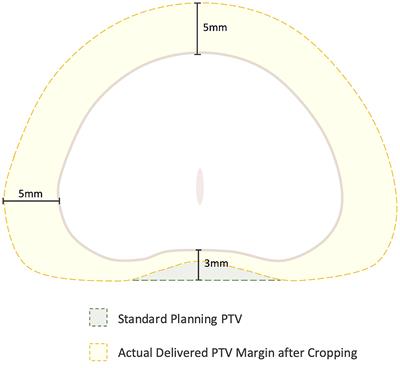
Rationale for Utilization of Hydrogel Rectal Spacers in Dose Escalated SBRT for the Treatment of Unfavorable Risk Prostate Cancer
Source : https://www.frontiersin.org/articles/10.3389/fonc.2022.860848/full
In this review we outline the current evidence for the use of hydrogel rectal spacers in the treatment paradigm for prostate cancer with external beam radiation therapy. We review their...
Conclusion/Relevance: In this review we outline the current evidence for the use of hydrogel rectal spacers in the treatment paradigm for prostate cancer with external beam radiation therapy. We review their development, summarize clinical evidence, risk of adverse events, best practices for placement, treatment planning considerations and...

Dosimetric feasibility of moderately hypofractionated/dose escalated radiation therapy for localised prostate cancer with intensity-modulated proton beam therapy using simultaneous integrated boost (SIB-IMPT) and impact of hydrogel prostate-rectum spacer
Source : https://www.ncbi.nlm.nih.gov/pmc/articles/PMC8973648/
Dalia Ahmad Khalil, 1 Danny Jazmati, 1 Dirk Geismar, 1 Jörg Wulff, 1 Christian Bäumer, 1 Paul Heinz Kramer, 1 Theresa Steinmeier, 1 Stefanie Schulze Schleitthoff, 1 Sandija Plaude, 1...
Conclusion: Hypofractionated/dose escalated radiotherapy with SIB-IMPT is dosimetrically feasible. Further reduction of the rectal volumes receiving high and medium dose levels (73-50 Gy) and rectal NTCP could be achieved through injection of spacers between rectum and prostate.