



Evaluating prostate cancer bone metastasis using accelerated whole-body isotropic 3D T1-weighted Dixon MRI with compressed SENSE: a feasibility study - European Radiology
Source : https://link.springer.com/article/10.1007/s00330-022-09181-9
Objectives The study aimed to assess the efficiency of whole-body high-resolution compressed sensing-sensitivity encoding isotropic T1-Weighted Dixon (CSI-T1W-Dixon) scans in evaluating bone metastasis. Methods Forty-five high-risk prostate cancer patients with...
Conclusion: High-resolution CSI-T1W-Dixon with higher image quality and diagnostic capacity can replace the CMP-T1W-Dixon method in evaluating bone metastasis in clinical practice.
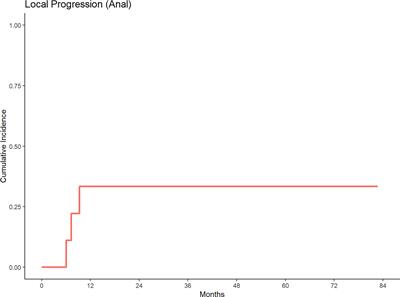
Radiation therapy for de novo anorectal cancer in patients with a history of prostate radiation therapy
Source : https://www.frontiersin.org/articles/10.3389/fonc.2022.975519/full
IntroductionRadiation therapy (RT) for anorectal cancer after prior prostate cancer RT is usually avoided due to concern for complications. Data on this topic is scarce.
Conclusion: RT for anorectal cancer after prior prostate cancer RT is feasible but should be delivered with caution since it poses a risk of fistulae and possibly bleeding, especially in patients treated with prior LDR brachytherapy. Further studies, perhaps using proton therapy and/or rectal hydrogel spacers, are needed to further decrease...

Dosimetric comparison of MR-guided adaptive IMRT versus 3DOF-VMAT for prostate stereotactic radiotherapy
Source : https://www.tipsro.science/article/S2405-6324(22)00007-5/fulltext
There is increasing evidence to support the adoption of ultrahypofractionated schedules (≥4Gy/fraction) delivered with Stereotactic Body Radiation Therapy (SBRT) for the treatment of low/intermediate risk prostate cancer [1]. Geometric precision...
Conclusions: Despite the presence of large interfraction organ volumes changes, clinically acceptable dose was delivered to the prostate by both systems. A-IMRT facilitated a greater rectal sparing from the high dose region than 3DOF-VMAT. Further reduction in rectal dose could be achieved by hydrogel spacer to displace the rectum, or by...

Prediction of Adverse Pathology at Radical Prostatectomy in Grade Group 2 and 3 Prostate Biopsies Using Machine Learning
Source : https://ascopubs.org/doi/10.1200/CCI.22.00016
PURPOSE There is ongoing clinical need to improve estimates of disease outcome in prostate cancer. Machine learning (ML) approaches to pathologic diagnosis and prognosis are a promising and increasingly used...
Conclusion: We provide evidence for the potential of ML algorithms to use WSIs of needle core prostate biopsies to estimate clinically relevant prostate cancer outcomes.

Four types of RNA modification writers predict the prognosis of prostate cancer - PubMed
Source : https://pubmed.ncbi.nlm.nih.gov/36177790/
RNA modification is an important part of epigenetic regulation. However, the relationship between RNA modification writers and prostate cancer (PCa) remains unclear. We obtained transcriptome data from The Cancer Genome...
Conclusion: Our study showed that RNA modification writers are differentially expressed in PCa and might influence the development of PCa by regulating immune checkpoints and the cell cycle. The risk score model of RNA modification writers is predicted to be an independent prognostic factor for PCa. Thus, RNA modification writers might be used...