



A Nationwide Study of Differences in Surgical Treatment Rates and Oncological Outcomes for Prostate Cancer according to Economic Status and Region - PubMed
Source : https://pubmed.ncbi.nlm.nih.gov/36510653/
The .gov means it's official. Federal government websites often end in .gov or .mil. Before sharing sensitive information, make sure you're on a federal government site. The site is secure....
Conclusions: Economic status and residential area were shown to affect not only treatment patterns but also post-diagnosis and postoperative oncological outcomes. Political support for early diagnosis and appropriate treatment of prostate cancer is warranted for medically vulnerable populations.
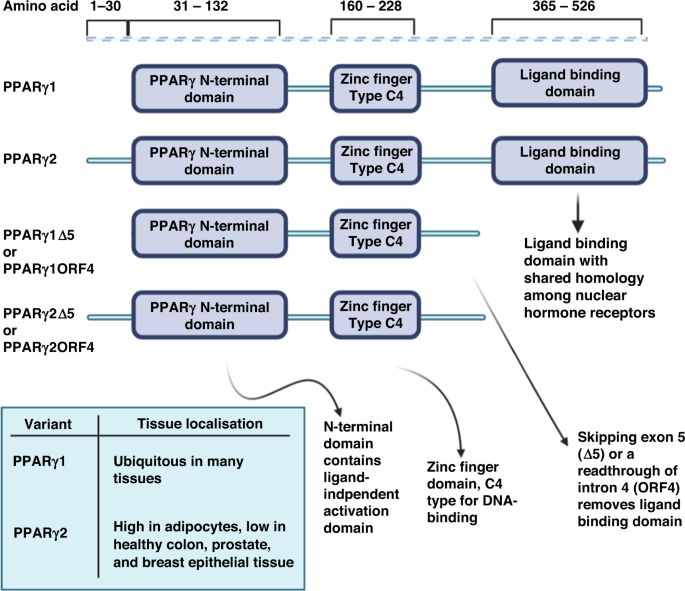
The role of PPARγ in prostate cancer development and progression - British Journal of Cancer
Source : https://www.nature.com/articles/s41416-022-02096-8
Advanced and metastatic prostate cancer is often incurable, but its dependency on certain molecular alterations may provide the basis for targeted therapies. A growing body of research has demonstrated that...
Conclusions: PPARγ itself is a highly druggable target, with agonists having been used for the past two decades in treating diabetes. However, side effects associated with these compounds have currently limited clinical use of these drugs in prostate cancer. Further understanding of PPARγ and novel techniques to target it, may provide...
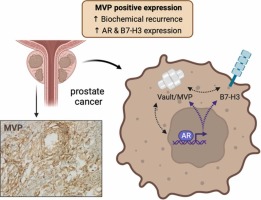
Correlation of expression of Major Vault Protein with androgen receptor and immune checkpoint protein B7-H3, and with poor prognosis in prostate cancer
Source : https://www.sciencedirect.com/science/article/pii/S0344033822004873?via=ihub
Prostate cancer diagnosis and early stratification is an important aspect to avoid undertreatment of high-risk prostate cancer patients. Major Vault Protein (MVP) has been proposed as a prognostic biomarker in...
/>
Conclusions: Our findings support the notion that expression of MVP is associated with poor prognosis in prostate cancer. The correlation between MVP and immune checkpoint protein B7-H3 in prostate cancer suggests a role for MVP in immunoregulation and drug resistance.
The prognosis of lipid reprogramming with the HMG-CoA reductase inhibitor, rosuvastatin, in castrated Egyptian prostate cancer patients: Randomized trial
Source : https://journals.plos.org/plosone/article?id=10.1371/journal.pone.0278282
Aim The role of surgical castration and rosuvastatin treatment on lipid profile and lipid metabolism related markers was evaluated for their prognostic significance in metastatic prostate cancer (mPC) patients.
Conclusions: Results of the current study suggest that the peripheral lipidogenic effects of rosuvastatin may have an impact on the treatment outcome and survival of castrated mPC patients.

A Comprehensive Overview of Small-Molecule Androgen Receptor Degraders: Recent Progress and Future Perspectives - PubMed
Source : https://pubmed.ncbi.nlm.nih.gov/36459083/
Prostate cancer (PC), the second most prevalent malignancy in men worldwide, has been proven to depend on the aberrant activation of androgen receptor (AR) signaling. Long-term androgen deprivation for the...
Conclusions: We provide a comprehensive summary of small-molecule AR degraders with diverse mechanisms of action including proteolysis-targeting chimeras (PROTACs), selective AR degraders (SARDs), hydrophobic tags (HyT), and other AR degraders with distinct mechanisms. Accordingly, their structure–activity relationships, biomedical...