


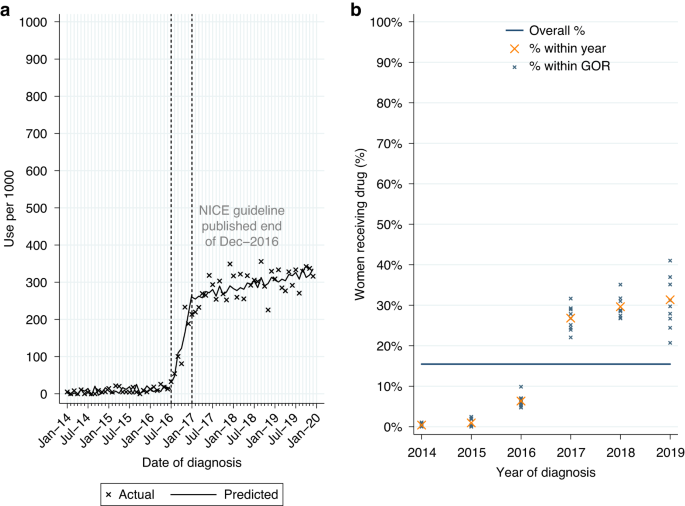
Evidence into practice: a national cohort study of NICE-recommended oncological drug therapy utilisation among women diagnosed with invasive breast cancer in England - British Journal of Cancer
Source : https://www.nature.com/articles/s41416-023-02439-z
Multiple drug treatments are approved for invasive breast cancer (IBC). We investigated uptake of NICE-recommended oncological drugs and variation by age, comorbidity burden and geographical region. Women (aged 50+ years)...
Use of NICE-recommended drugs for IBC in routine care is variable, with lowest use among women aged 70+ years. Improving access to effective treatments is an important step in improving outcomes.
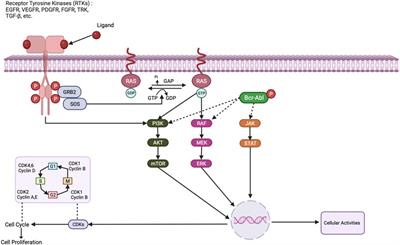
Small-molecule inhibitors of kinases in breast cancer therapy: recent advances, opportunities, and challenges
Source : https://www.frontiersin.org/articles/10.3389/fphar.2023.1244597/full
Breast cancer is the most common malignancy in women worldwide and despite significant advancements in detection, treatment, and management of cancer, it is still the leading cause of malignancy related...
Relevance: Breast cancer is the most common malignancy in women worldwide and despite significant advancements in detection, treatment, and management of cancer, it is still the leading cause of malignancy related deaths in women. Understanding the fundamental biology of breast cancer and creating fresh diagnostic and therapeutic strategies...

CDK4/6 Inhibition Sensitizes Intracranial Tumors to PD-1 Blockade in Preclinical Models of Brain Metastasis
AbstractPurpose:. Brain metastases are associated with high morbidity and are often resistant to immune checkpoint inhibitors. We evaluated whether CDK4/6 inhibitor (CDKi) abemaciclib can sensitize intracranial tumors to programmed cell...
Conclusions: Our results highlight the distinct properties of intracranial and extracranial tumors and support clinical investigation of combination CDK4/6 and PD-1 inhibition in patients with brain metastases.

Pooled ctDNA analysis of MONALEESA phase III advanced breast cancer trials - PubMed
Source : https://pubmed.ncbi.nlm.nih.gov/37673211/
Although exploratory, these results provide insight into alterations associated with the improved response to ribociclib treatment and may inform treatment sequencing in patients with actionable alterations following progression on CDK4/6...
Conclusions: Although exploratory, these results provide insight into alterations associated with the improved response to ribociclib treatment and may inform treatment sequencing in patients with actionable alterations following progression on CDK4/6 inhibitors. Validation of potential biomarkers identified here and development of...
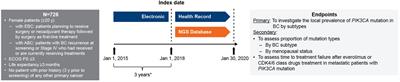
Prevalence of PIK3CA mutations in Taiwanese patients with breast cancer: a retrospective next-generation sequencing database analysis
Source : https://www.frontiersin.org/journals/oncology/articles/10.3389/fonc.2023.1192946/full
BackgroundBreast cancer is the most common cancer type that affects women. In hormone receptor-positive (HR+), human epidermal growth factor receptor 2−negative (HER2-) advanced breast cancer (ABC), phosphatidylinositol-4,5-bisphosphate 3-kinase catalytic subunit...
Conclusion: A high frequency of PIK3CA mutations was detected in Taiwanese patients with breast cancer, which was consistent with previous studies. Early detection of PIK3CA mutations might influence therapeutic decisions, leading to better treatment outcomes.