



Methodology for Using Real-World Data From Electronic Health Records to Assess Chemotherapy Administration in Women With Breast Cancer
Source : https://pubmed.ncbi.nlm.nih.gov/38635936/
We describe the challenges and approaches to operationalize complex, real-world data to identify intended chemotherapy regimens in large, observational studies. This methodology can improve efficiency of use of large-scale clinical...
A number of factors were associated with requiring abstraction for regimen determination, including decreasing neighborhood household income, earlier diagnosis year, later stage, and nodal status.

Assessment of BRCA1 and BRCA2 Germline Variant Data From Patients With Breast Cancer in a Real-World Data Registry
Source : https://pubmed.ncbi.nlm.nih.gov/38709234/
We identify the most common issues with BRCA1 and BRCA2 testing data entry and suggest approaches to minimize data loss and keep interpretation of clinical significance of variants up to...
In the cohort, White and Black patients were over-represented, whereas non-White Hispanic and Asian patients were under-represented.

Neoadjuvant Chemotherapy and Immunotherapy for Estrogen Receptor–Positive Human Epidermal Growth Factor 2–Negative Breast Cancer
Source : https://pubmed.ncbi.nlm.nih.gov/38593393/
Neoadjuvant Chemotherapy and Immunotherapy for Estrogen Receptor-Positive Human Epidermal Growth Factor 2-Negative Breast Cancer
Experts suggest that neoadjuvant immune checkpoint therapy should not be offered outside of a trial setting until it becomes clear that this treatment strategy reduces risk of recurrence.
-
Albert Dekker2yrblack magic; still nobody appears to be able to identify those who will benefit
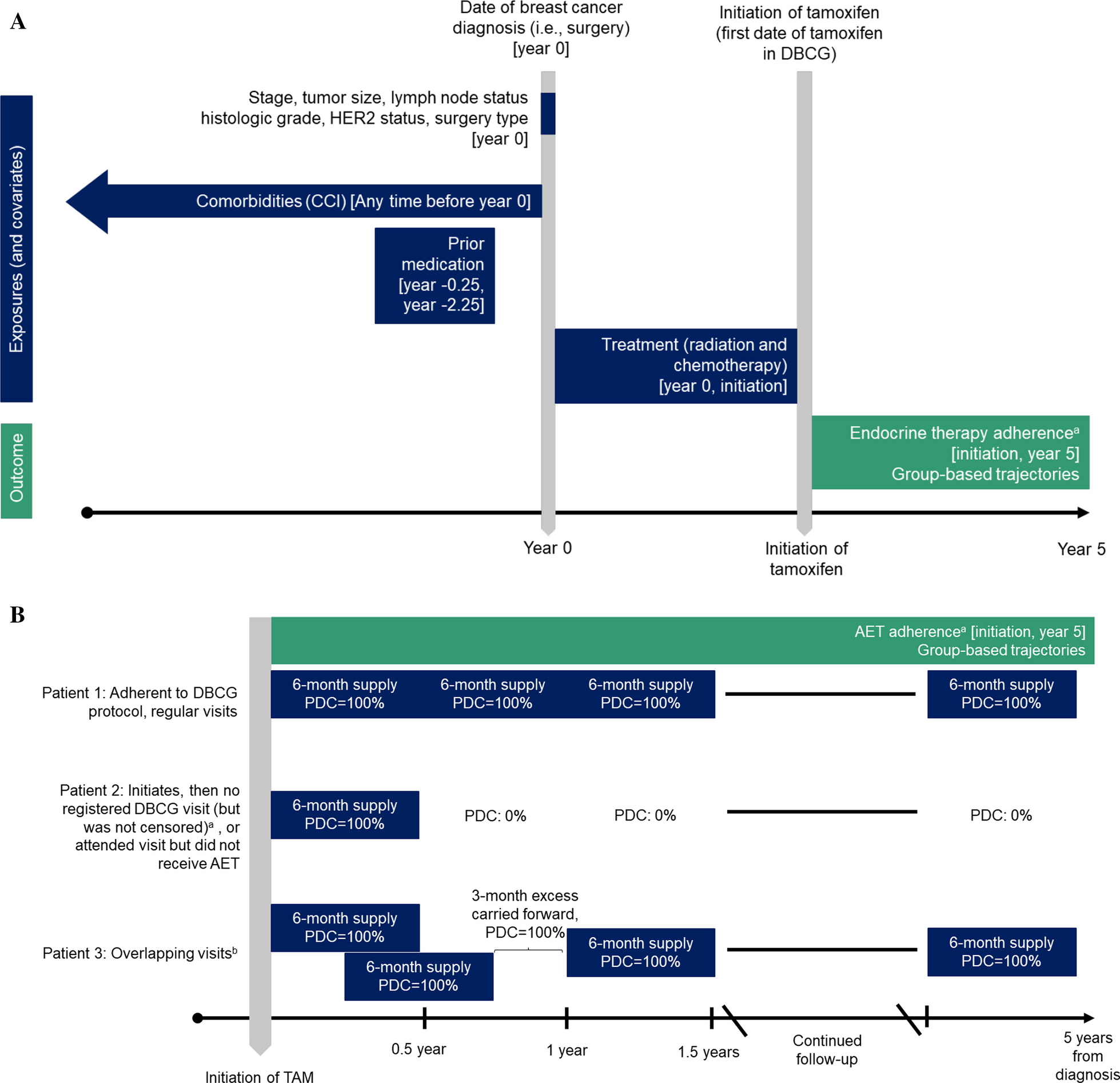
Clinical Factors Associated With Patterns of Endocrine Therapy Adherence in Premenopausal Breast Cancer Patients
Source : https://breast-cancer-research.biomedcentral.com/articles/10.1186/s13058-024-01819-4
Introduction Patients with hormone receptor positive breast cancer are recommended at least five years of adjuvant endocrine therapy, but adherence to this treatment is often suboptimal. We investigated longitudinal trends...
Women with stage I disease, without chemotherapy, with prevalent comorbid disease, and with a history of chronic noncancer medication use were more likely to be rapid decliners compared with high adherers.
-
Albert Dekker2yrIt makes sense but encouragement will unlikely to work as patients concentrate on other likely more dangerous and life limiting diseases
The USPSTF updated its recommendations for the screening of breast cancer in cisgender women and those assigned female sex at birth aged ≥40 years with average risk.
-
Albert Dekker2yrdense breast tissue is an issue of its own; one of the problems with US it is good Diagnostic tool but not screening tool